
by Andrew Kohut, President, Pew Research Center
Special to the New York Times
In terms of the numbers, Super Tuesday was as much a national election as it was the sum of individual contests in 24 states. While significant variations emerged in voting patterns from state to state, similarities outweighed differences. In both political parties, distinct patterns shaped the outcomes from coast to coast, and they provide some indication of the course ahead — particularly in the closely contested Democratic race.
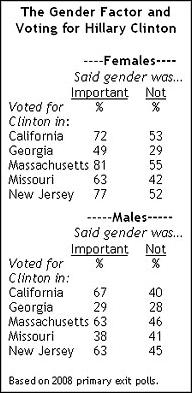
In the Democratic primaries, race, class, gender, age and party identification continued to be the most important factor in determining a voter’s support. Hillary Clinton won the support of white voters in most primary states. But Barack Obama carried the white vote in Illinois, New Mexico and Utah.
Nonetheless, Sen. Clinton’s support among white voters showed a noticeable gender divide. She won the white female vote in most states, but she continued to have trouble gaining support from white men. She took the white male vote in eight states and lost it to Sen. Obama in seven states. As in earlier primaries, the senator from Illinois enjoyed overwhelming support from African-American voters, who were vital to his victories in the large delegate states of Georgia and Missouri.
In most states, the exit polls found nearly one-in-five voters saying that race and gender were important considerations in their vote. Women who said that gender was a consideration voted for Hillary Clinton at higher rates than those who did not. And many of the men who said they were considering gender in casting a ballot, gave the New York senator more, not less, support than did other men.
Read the full commentary at nytimes.com