Teens and Cyberbullying 2022
Nearly half of U.S. teens have been bullied or harassed online, with physical appearance being seen as a relatively common reason why. Older teen girls are especially likely to report being targeted by online abuse overall and because of their appearance
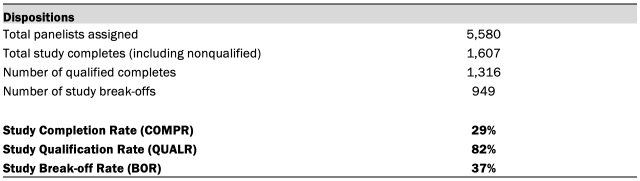
Pew Research Center conducted this study to better understand teens’ experiences with and views on bullying and harassment online. For this analysis, we surveyed 1,316 U.S. teens. The survey was conducted online by Ipsos from April 14 to May 4, 2022.
This research was reviewed and approved by an external institutional review board (IRB), Advarra, which is an independent committee of experts that specializes in helping to protect the rights of research participants.
Ipsos recruited the teens via their parents who were a part of its KnowledgePanel, a probability-based web panel recruited primarily through national, random sampling of residential addresses. The survey is weighted to be representative of U.S. teens ages 13 to 17 who live with parents by age, gender, race, ethnicity, household income and other categories.
Here are the questions used for this report, along with responses, and its methodology.
While bullying existed long before the internet, the rise of smartphones and social media has brought a new and more public arena into play for this aggressive behavior.

Nearly half of U.S. teens ages 13 to 17 (46%) report ever experiencing at least one of six cyberbullying behaviors asked about in a Pew Research Center survey conducted April 14-May 4, 2022.1
The most commonly reported behavior in this survey is name-calling, with 32% of teens saying they have been called an offensive name online or on their cellphone. Smaller shares say they have had false rumors spread about them online (22%) or have been sent explicit images they didn’t ask for (17%).
Some 15% of teens say they have experienced someone other than a parent constantly asking them where they are, what they’re doing or who they’re with, while 10% say they have been physically threatened and 7% of teens say they have had explicit images of them shared without their consent.
In total, 28% of teens have experienced multiple types of cyberbullying.
Defining cyberbullying in this report
This report measures cyberbullying of teens using six distinct behaviors:
- Offensive name-calling
- Spreading of false rumors about them
- Receiving explicit images they didn’t ask for
- Physical threats
- Constantly being asked where they are, what they’re doing, or who they’re with by someone other than a parent
- Having explicit images of them shared without their consent
Teens who indicate they have personally experienced any of these behaviors online or while using their cellphone are considered targets of cyberbullying in this report. The terms “cyberbullying” and “online harassment” are used interchangeably throughout this report.
Age and gender are related to teens’ cyberbullying experiences, with older teen girls being especially likely to face this abuse
Teens’ experiences with online harassment vary by age. Some 49% of 15- to 17-year-olds have experienced at least one of the six online behaviors, compared with 42% of those ages 13 to 14. While similar shares of older and younger teens report being the target of name-calling or rumor spreading, older teens are more likely than their younger counterparts (22% vs. 11%) to say someone has sent them explicit images they didn’t ask for, an act sometimes referred to as cyberflashing; had someone share explicit images of them without their consent, in what is also known as revenge porn (8% vs. 4%); or been the target of persistent questioning about their whereabouts and activities (17% vs. 12%).

While there is no gender difference in having ever experienced online abuse, teen girls are more likely than teen boys to say false rumors have been spread about them. But further differences are seen when looking at age and gender together: 15- to 17-year-old girls stand out for being particularly likely to have faced any cyberbullying, compared with younger teen girls and teen boys of any age. Some 54% of girls ages 15 to 17 have experienced at least one of the six cyberbullying behaviors, while 44% of 15- to 17-year-old boys and 41% of boys and girls ages 13 to 14 say the same. These older teen girls are also more likely than younger teen girls and teen boys of any age to report being the target of false rumors and constant monitoring by someone other than a parent.
White, Black and Hispanic teens do not statistically differ in having ever been harassed online, but specific types of online attacks are more prevalent among certain groups.2 For example, White teens are more likely to report being targeted by false rumors than Black teens. Hispanic teens are more likely than White or Black teens to say they have been asked constantly where they are, what they’re doing or who they’re with by someone other than a parent.
There are also differences by household income when it comes to physical threats. Teens who are from households making less than $30,000 annually are twice as likely as teens living in households making $75,000 or more a year to say they have been physically threatened online (16% vs. 8%).

Beyond those differences related to specific harassing behaviors, older teen girls are particularly likely to say they experience multiple types of online harassment. Some 32% of teen girls have experienced two or more types of online harassment asked about in this survey, while 24% of teen boys say the same. And 15- to 17-year-olds are more likely than 13- to 14-year-olds to have been the target of multiple types of cyberbullying (32% vs. 22%).
These differences are largely driven by older teen girls: 38% of teen girls ages 15 to 17 have experienced at least two of the harassing behaviors asked about in this survey, while roughly a quarter of younger teen girls and teen boys of any age say the same.
Beyond demographic differences, being the target of these behaviors and facing multiple types of these behaviors also vary by the amount of time youth spend online. Teens who say they are online almost constantly are not only more likely to have ever been harassed online than those who report being online less often (53% vs 40%), but are also more likely to have faced multiple forms of online abuse (37% vs. 21%).
These are some of the findings from a Pew Research Center online survey of 1,316 U.S. teens conducted from April 14 to May 4, 2022.
Black teens are about twice as likely as Hispanic or White teens to say they think their race or ethnicity made them a target of online abuse
There are numerous reasons why a teen may be targeted with online abuse. This survey asked youth if they believed their physical appearance, gender, race or ethnicity, sexual orientation or political views were a factor in them being the target of abusive behavior online.

Teens are most likely to say their physical appearance made them the target of cyberbullying. Some 15% of all teens think they were cyberbullied because of their appearance.
About one-in-ten teens say they were targeted because of their gender (10%) or their race or ethnicity (9%). Teens less commonly report being harassed for their sexual orientation or their political views – just 5% each.
Looking at these numbers in a different way, 31% of teens who have personally experienced online harassment or bullying think they were targeted because of their physical appearance. About one-in-five cyberbullied teens say they were targeted due to their gender (22%) or their racial or ethnic background (20%). And roughly one-in-ten affected teens point to their sexual orientation (12%) or their political views (11%) as a reason why they were targeted with harassment or bullying online.

The reasons teens cite for why they were targeted for cyberbullying are largely similar across major demographic groups, but there are a few key differences. For example, teen girls overall are more likely than teen boys to say they have been cyberbullied because of their physical appearance (17% vs. 11%) or their gender (14% vs. 6%). Older teens are also more likely to say they have been harassed online because of their appearance: 17% of 15- to 17-year-olds have experienced cyberbullying because of their physical appearance, compared with 11% of teens ages 13 to 14.
Older teen girls are particularly likely to think they have been harassed online because of their physical appearance: 21% of all 15- to 17-year-old girls think they have been targeted for this reason. This compares with about one-in-ten younger teen girls or teen boys, regardless of age, who think they have been cyberbullied because of their appearance.
A teen’s racial or ethnic background relates to whether they report having been targeted for cyberbullying because of race or ethnicity. Some 21% of Black teens report being made a target because of their race or ethnicity, compared with 11% of Hispanic teens and an even smaller share of White teens (4%).
There are no partisan differences in teens being targeted for their political views, with 5% of those who identify as either Democratic or Republican – including those who lean toward each party – saying they think their political views contributed to them being cyberbullied.
Black or Hispanic teens are more likely than White teens to say cyberbullying is a major problem for people their age
In addition to measuring teens’ own personal experiences with cyberbullying, the survey also sought to understand young people’s views about online harassment more generally.

The vast majority of teens say online harassment and online bullying are a problem for people their age, with 53% saying they are a major problem. Just 6% of teens think they are not a problem.
Certain demographic groups stand out for how much of a problem they say cyberbullying is. Seven-in-ten Black teens and 62% of Hispanic teens say online harassment and bullying are a major problem for people their age, compared with 46% of White teens. Teens from households making under $75,000 a year are similarly inclined to call this type of harassment a major problem, with 62% making this claim, compared with 47% of teens from more affluent homes. Teen girls are also more likely than boys to view cyberbullying as a major problem.
Views also vary by community type. Some 65% of teens living in urban areas say online harassment and bullying are a major problem for people their age, compared with about half of suburban and rural teens.
Partisan differences appear as well: Six-in-ten Democratic teens say this is a major problem for people their age, compared with 44% of Republican teens saying this.
Roughly three-quarters of teens or more think elected officials and social media sites aren’t adequately addressing online abuse
In recent years, there have been several initiatives and programs aimed at curtailing bad behavior online, but teens by and large view some of those behind these efforts – including social media companies and politicians – in a decidedly negative light.

According to teens, parents are doing the best of the five groups asked about in terms of addressing online harassment and online bullying, with 66% of teens saying parents are doing at least a good job, including one-in-five saying it is an excellent job. Roughly four-in-ten teens report thinking teachers (40%) or law enforcement (37%) are doing a good or excellent job addressing online abuse. A quarter of teens say social media sites are doing at least a good job addressing online harassment and cyberbullying, and just 18% say the same of elected officials. In fact, 44% of teens say elected officials have done a poor job addressing online harassment and online bullying.
Teens who have been cyberbullied are more critical of how various groups have addressed online bullying than those who haven’t

Teens who have experienced harassment or bullying online have a very different perspective on how various groups have been handling cyberbullying compared with those who have not faced this type of abuse. Some 53% of teens who have been cyberbullied say elected officials have done a poor job when it comes to addressing online harassment and online bullying, while 38% who have not undergone these experiences say the same (a 15 percentage point gap). Double-digit differences also appear between teens who have and have not been cyberbullied in their views on how law enforcement, social media sites and teachers have addressed online abuse, with teens who have been harassed or bullied online being more critical of each of these three groups. These harassed teens are also twice as likely as their peers who report no abuse to say parents have done a poor job of combatting online harassment and bullying.
Aside from these differences based on personal experience with cyberbullying, only a few differences are seen across major demographic groups. For example, Black teens express greater cynicism than White teens about how law enforcement has fared in this space: 33% of Black teens say law enforcement is doing a poor job when it comes to addressing online harassment and online bullying; 21% of White teens say the same. Hispanic teens (25%) do not differ from either group on this question.
Large majorities of teens believe permanent bans from social media and criminal charges can help reduce harassment on the platforms
Teens have varying views about possible actions that could help to curb the amount of online harassment youth encounter on social media.

While a majority of teens say each of five possible solutions asked about in the survey would at least help a little, certain measures are viewed as being more effective than others.
Teens see the most benefit in criminal charges for users who bully or harass on social media or permanently locking these users out of their account. Half of teens say each of these options would help a lot in reducing the amount of harassment and bullying teens may face on social media sites.
About four-in-ten teens think that if social media companies looked for and deleted posts they think are bullying or harassing (42%) or if users of these platforms were required to use their real names and pictures (37%) it would help a lot in addressing these issues. The idea of forcing people to use their real name while online has long existed and been heavily debated: Proponents see it as a way to hold bad actors accountable and keep online conversations more civil, while detractors believe it would do little to solve harassment and could even worsen it.
Three-in-ten teens say school districts monitoring students’ social media activity for bullying or harassment would help a lot. Some school districts already use digital monitoring software to help them identify worrying student behavior on school-owned devices, social media and other online platforms. However, these programs have been met with criticism regarding privacy issues, mixed results and whether they do more harm than good.

Having personally experienced online harassment is unrelated to a teen’s view on whether these potential measures would help a lot in reducing these types of adverse experiences on social media. Views do vary widely by a teen’s racial or ethnic background, however.
Black or Hispanic teens are consistently more optimistic than White teens about the effectiveness of each of these measures.
Majorities of both Black and Hispanic teens say permanently locking users out of their account if they bully or harass others or criminal charges for users who bully or harass on social media would help a lot, while about four-in-ten White teens express each view.
In the case of permanent bans, Black teens further stand out from their Hispanic peers: Seven-in-ten say this would help a lot, followed by 59% of Hispanic teens and 42% of White teens.